phgame | Exploring the Intricacies of Strategy Games: A World of Tactical Challenges
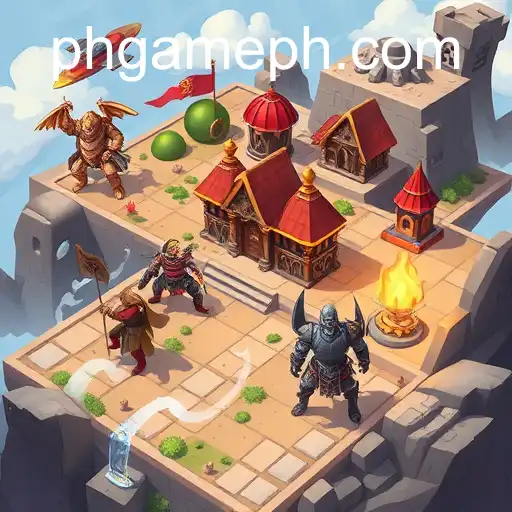
In the dynamic and multilayered world of gaming, strategy games occupy a special niche that demands both intellect and foresight. Known for their requirement of planning and tactical decision-making, strategy games have evolved from their humble beginnings as simple board games to complex digital simulations that engage millions of users worldwide. Whether set in the historical past, a dystopian future, or a fantasy realm, these games captivate players with scenarios that challenge their strategic acumen.
The origins of strategy games can be traced back to ancient civilizations where games like chess and Go captured the imagination of people across cultures. These classic board games served as the foundation for a genre that would grow exponentially with the advent of digital technology. In the early 1980s, games like Risk and Diplomacy moved into digital formats, providing players with the opportunity to test their strategic skills against computer opponents or, as technology advanced, against real human adversaries over the internet.
Today's strategy games, tagged often with the keyword 'phgame' in various online platforms, offer immersive experiences across different sub-genres. Real-time strategy (RTS) games like 'StarCraft' and 'Age of Empires' demand quick thinking and reflexive tactical implementation as players manage resources, build units, and engage in battles in real-time. On the other hand, turn-based strategy games such as 'Civilization' require careful planning and execution of moves as players take turns in developing their empires, conducting diplomacy, and engaging in combat.
Modern strategy games can be both highly competitive and deeply cooperative, providing a range of experiences that suit different playing styles and preferences. For those seeking a solitary challenge, many strategy games offer well-crafted campaigns with intricate storylines and progressively difficult scenarios. For players who thrive on human interaction, the multiplayer aspect of strategy games provides a platform for competition against friends or global opponents, fostering a community of like-minded strategic enthusiasts.
The appeal of strategy games lies in their ability to virtually simulate complex systems and scenarios, allowing players to assume roles they might never experience in real life. Whether commanding an army, managing a bustling metropolis, or nurturing a fictional civilization, strategy games offer a unique avenue for creative problem-solving and intellectual engagement.
As the gaming industry continues to innovate, the future of strategy games looks promising. Enhanced by cutting-edge graphics, advanced artificial intelligence, and increasingly sophisticated game mechanics, strategy games will continue to challenge and captivate players for generations to come. With the keyword 'phgame' symbolizing their ever-expanding digital presence, strategy games invite you to embark on a journey where every decision matters, and every move could lead to victory or defeat.
The Evolution of Online Gaming in 2025
Exploring the current trends and developments in the online gaming industry, with a spotlight on phgame and its role in shaping the future.
Exploring English Games with 'phgame'
The rise of 'phgame' showcases the increasing popularity of English language games in the digital era, highlighting educational benefits and interactive dynamics.
Online Gaming Trends and Economic Influence
Exploring the rise of online gaming and its economic impact.
The Rise of PHGame in the Global Gaming Landscape
Exploring the impact of PHGame on online gaming and virtual reality in 2025.